Skip to content Skip to footer
Two operators at multi-monitor control workstations with a goods-to-person robot model on the desk, black and white
Technology

Native WCS
inside Logistica.Net

Automation, controlled from within the WMS. Logistica.Net orchestrates sorters, goods-to-person robots and Put-to-Light directly, with no third-party WCS bridge: this warehouse control system assigns and prioritises every machine mission from inside the WMS.

What it is

A warehouse control system, native to our WMS

Since 2003, Snatt has integrated warehouse automation through a design-led, competence-first approach. A natural result was the development of advanced WCS (Warehouse Control System) functionalities inside Logistica.Net, our proprietary WMS: automation is designed into the logistics flow, not bolted on through a separate system.

Because the control layer lives inside the WMS, Logistica.Net connects directly to automation, without third-party WCS software bridges: more than 12 complex systems, from sorters to goods-to-person robots, are already orchestrated this way. This direct control improves operational efficiency, reduces complexity and gives us full oversight of the entire automation process.

2003
the year Snatt began its design-led integration of warehouse automation.
0
third-party WCS bridges: automation is controlled natively inside Logistica.Net.
12+
complex automation systems already integrated: sorters, automated warehouses, goods-to-person robots.
SOC 1
Type II certified for security and quality.
Source: Snatt Logistica, company profile and Logistica.Net (snatt.eu).
How it works

Beyond order lists: full mission orchestration

Full control of the automation layer lets Logistica.Net go beyond transmitting order lists, assigning optimised missions to each machine while keeping orchestration in one system.

01

Optimised missions

Individual, optimised missions are assigned to each machine, not just order lists passed downstream.

02

Prioritisation

Missions are prioritised in real time against operational needs and forecasts.

03

Order consolidation

Orders are consolidated across flows to cut movement and balance the workload.

04

Workflow overlapping

Inbound, outbound and e-commerce workflows are overlapped and synchronised on the same floor.

05

Forecast-driven adjustments

Forecast-driven adjustments keep throughput steady through peaks and seasonality.

06

From WMS to WES

Together, these turn Logistica.Net from a WMS into a true Warehouse Execution System (WES).

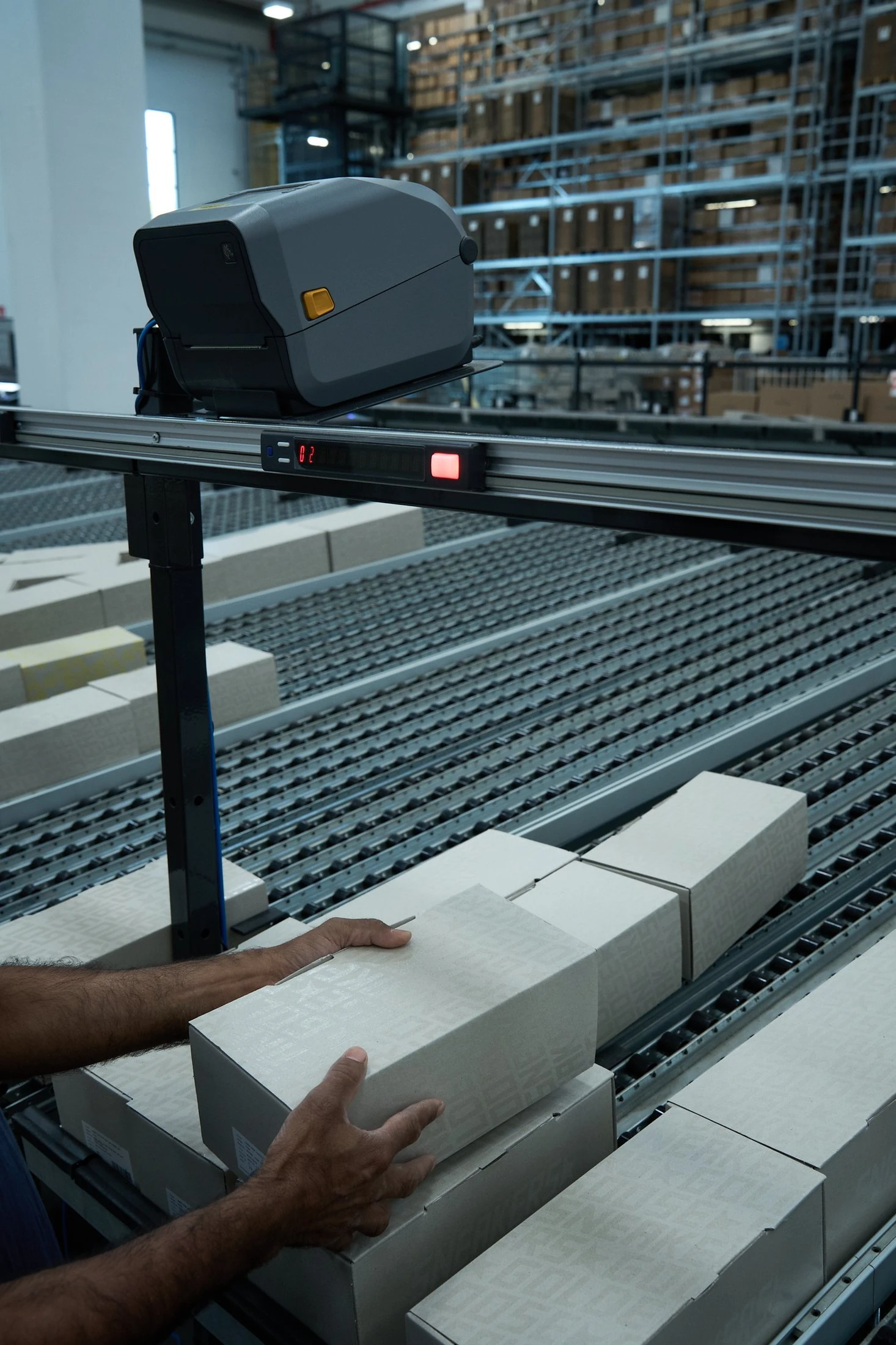
Automatic label printer over a conveyor with a digital counter as an operator places a carton, in colour
Inside the automation

One control layer for sorters, robots and Put-to-Light

Logistica.Net orchestrates more than 12 complex automation systems directly: automatic sorters, automated warehouses and goods-to-person robots such as AutoStore and Geek+, plus Put-to-Light for massive picking.

Goods-to-personAutoStore and AMR bring containers to the operator, cutting travel and lifting picking efficiency.
Automatic sortingCross-belt and automatic sorters route thousands of items per hour to the right destination.
Put-to-LightMassive picking with Put-to-Light guidance combines speed with flexibility for volume peaks.
Native interfaceInterface points to every machine are managed directly, with no third-party WCS bridge.
Logistica.Net · orchestrating goods-to-person on the floor
Where it fits

One system, from WMS to automation

Native WCS is not a separate product: it is the automation-control layer of Logistica.Net. The same system that manages stock, inbound and outbound orders, labelling and EDI also assigns and prioritises the missions your automation runs, keeping data and control in one place.

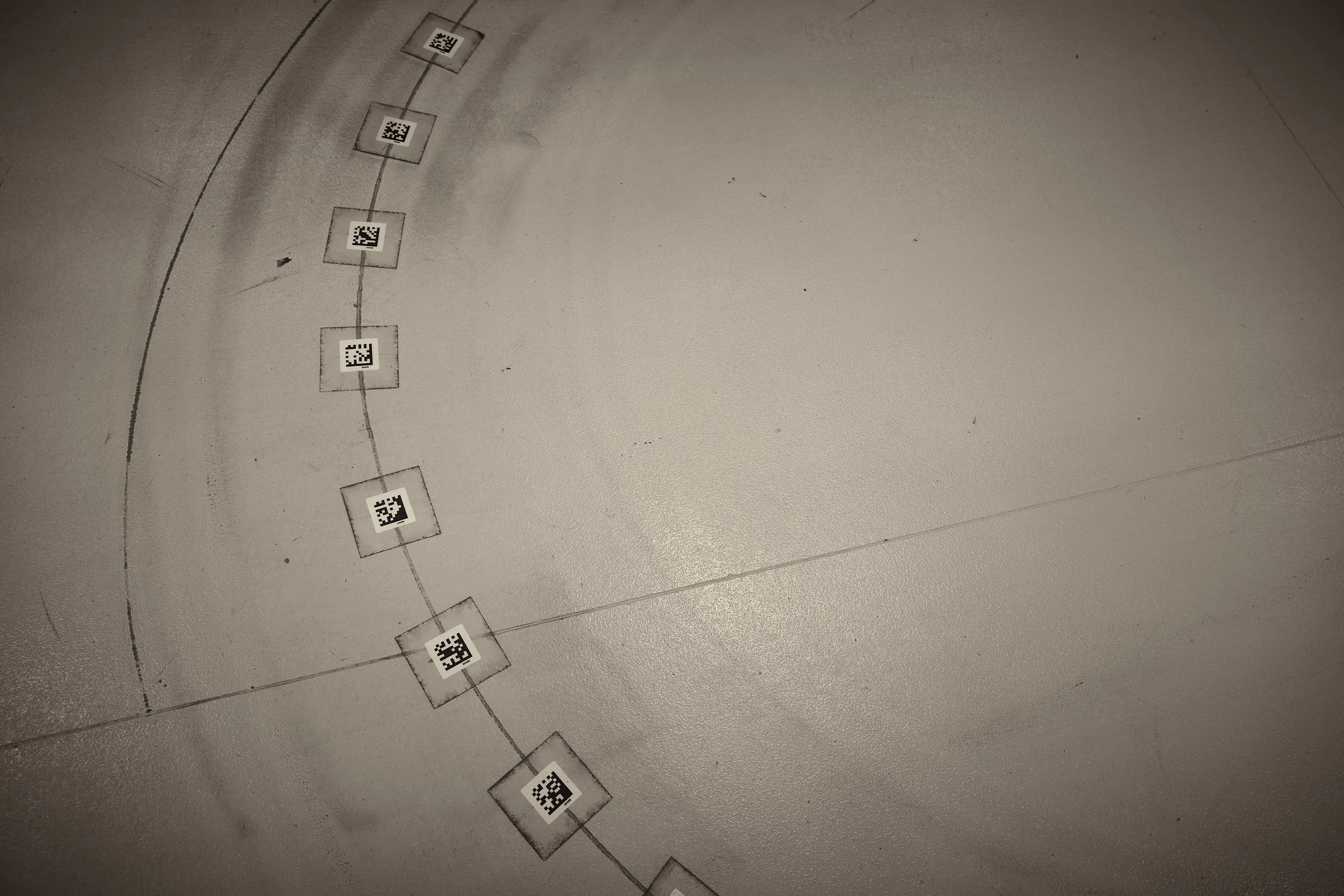
Overhead view of coded QR floor markers guiding automated robot navigation in a Snatt warehouse, black and white
At scale

Every mission mapped and coordinated

Coordinating dozens of machines and thousands of missions demands a control layer that sees the whole floor. Because WCS lives inside Logistica.Net, orchestration, prioritisation and consolidation happen against a single, real-time picture of operations.

The result is radical space optimisation, higher productivity and better ergonomics and safety, with automation and predictive analytics tuning every stage of the cycle.

Full control of the automation layer lets us go beyond order lists, assigning optimised missions while keeping full orchestration in one system.

Logistica.Net · Warehouse control layer

FAQ

Native WCS,
explained

What is Native WCS in Logistica.Net?

It is the Warehouse Control System capability built natively into Logistica.Net, Snatt's proprietary WMS. Rather than running a separate third-party WCS, Logistica.Net controls automation directly, assigning and prioritising the missions each machine runs.

Do you use a third-party WCS to run automation?

No. Logistica.Net manages the interface points to sorters, automated warehouses and Put-to-Light systems directly, without software bridges. This direct control improves efficiency, reduces complexity and gives full oversight of the automation process.

Which automation does the control layer orchestrate?

Automatic sorters such as cross-belt, goods-to-person systems such as AutoStore and distributed AMR like Geek+, and Put-to-Light for massive picking, all coordinated from within Logistica.Net.

How is a WCS different from a WMS here?

The WMS manages stock, orders, labelling and traceability; the native WCS layer assigns optimised missions to machines with prioritisation, order consolidation and forecast-driven adjustments. Together they make Logistica.Net a true Warehouse Execution System (WES).

What is a warehouse control system for fashion logistics automation?

It is the software layer that assigns, prioritises and coordinates every automation mission (sorters, goods-to-person robots, Put-to-Light) inside the warehouse. In Logistica.Net, this warehouse control system is built natively into the WMS used by fashion, luxury and lifestyle brands, so automation is designed into the logistics flow rather than run through a separate system.

Is the WCS integrated with the WMS, or does it run as a separate system?

It is integrated. Because the control layer lives inside Logistica.Net, the same WMS that manages stock, orders, labelling and EDI also assigns and prioritises automation missions, with no third-party WCS bridge connecting two separate systems.

What does the WCS orchestrate beyond individual automation systems?

It overlaps and synchronises inbound, outbound and e-commerce workflows on the same floor, consolidates orders across flows, and adjusts missions in real time against forecasts, turning Logistica.Net from a WMS into a true Warehouse Execution System (WES).

Get in touch

See how Logistica.Net orchestrates your automation

Tell us about your automation, current or planned. We show you how Logistica.Net controls sorters, goods-to-person and Put-to-Light natively, in one system.

Talk to us

Talk to our technology team

Share your automation and flows: our team will get back to you to scope the right integration. Or reach us directly: info@snatt.it · +39 0522 905411.

Get in touch →